

Wilson Blade LS V4 2026
A light, soft tear shape that makes defense and quick net exchanges feel simple, while asking more of you when it is time to finish.
Our Take
Shape
Tear
Weight
355 gr
Touch
Soft
Core
Soft EVA
Faces
Fiberglass Weave
Frame
C2 Tubular Construction
What we like
- Easy defensive lob depth
- Forgiving off-center blocks
- Quick hands at net
- Spin on *bandejas* and *víboras*
What we don't
- Limited flat smash punch
- Muted feedback on touch shots
- Needs acceleration for heavy volleys
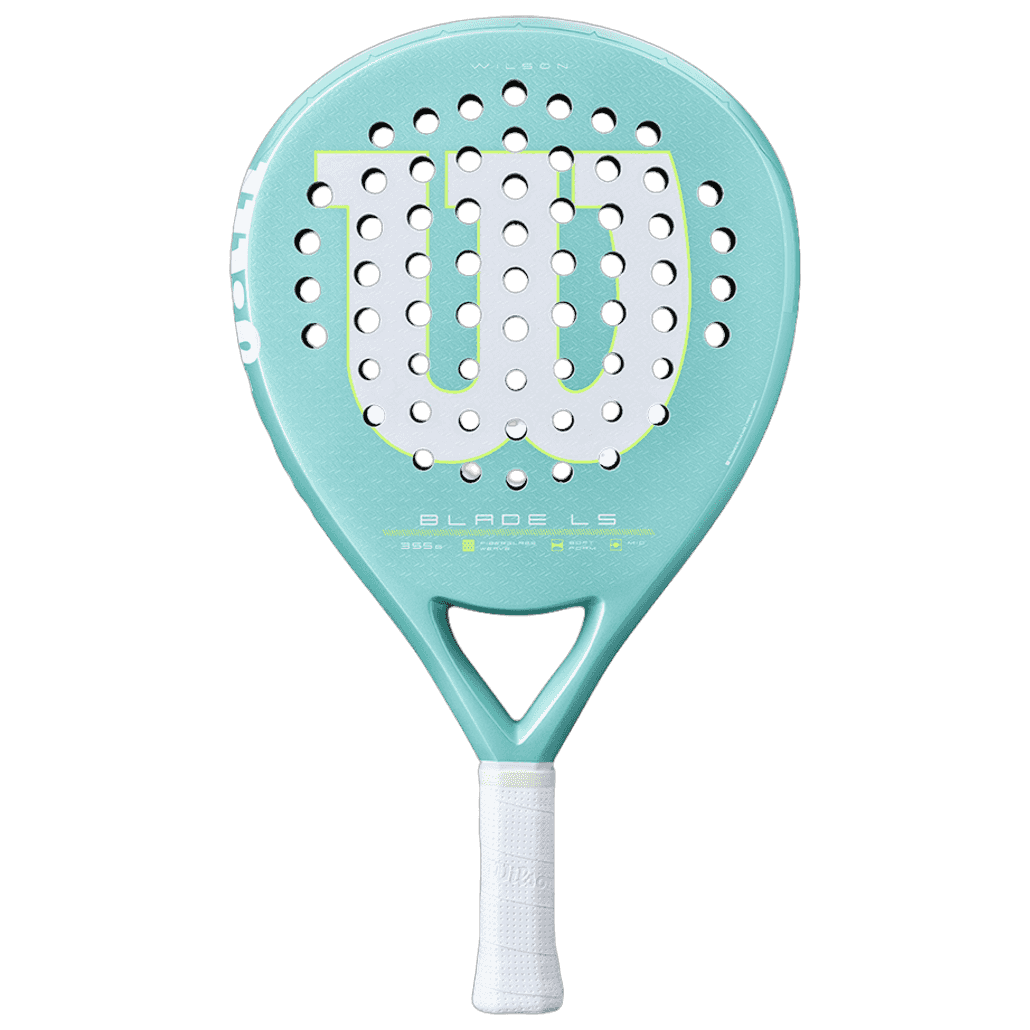
Wilson Blade LS V4 2026 is a comfort-first racket built around speed, forgiveness, and easy ball exit. It wants to keep you in the point, particularly when the rally gets messy at the baseline or fast at the net.
I see it fitting regular intermediate players, as well as anyone moving toward a more controlled game without wanting a demanding, hard-faced racket. It is not a weapon for finishing points with minimal effort.
The character is soft, quick, and forgiving. That makes it reassuring in defense, though it also means the contact can feel slightly muted when you want detailed feedback from the faces.
Technical analysis
Shape & balance
The tear shape gives the Blade LS V4 a broad, accessible hitting area without pulling the balance too far toward the head. Combined with its notably quick handling, it comes through compact swings very easily. I found that especially relevant in reaction volleys, late blocks, and defensive recoveries off the wall.
Its large sweet spot is one of the racket’s strongest practical traits. Off-center contact still produces enough depth to stay neutral in the rally rather than dropping short. Players who arrive late to the ball will get more help here than with a firmer, more head-heavy attacking racket.
Materials & construction
Wilson uses a C2 Tubular Construction frame, Fiberglass Weave faces, and a Soft EVA core. The result is a clearly soft feel, with plenty of rebound and a comfortable response through the arm.
That construction gives the racket easy ball exit without needing a big swing. On the other hand, fiberglass and soft EVA do not provide the crispest impact signal. I could place the ball well, but fine contact adjustments—especially on firmer volleys or touch shots—feel less explicit than they do with a carbon face and a medium or hard core.
On-court feel
Baseline play
From the baseline, this is where the Blade LS V4 makes the most sense. Defensive lobs come off the face with little effort, and low-driven lobs do not require much acceleration to reach useful depth. In off-the-wall play, the soft response helps absorb pace and return the ball without forcing an overly long preparation.
Blocks are similarly straightforward. Put the racket behind the ball and it does a lot of the work, which matches the feedback from court testing around its forgiving response under pressure. The limitation is precision at higher speed: when I tried to flatten the ball aggressively, the soft contact gave me less of a clear sense of exactly where the strike landed.
At the net
Quick hands are a genuine strength. The racket moves fast between forehand and backhand volleys, and its forgiveness helps when the ball catches the outer edge of the face. For players who win points through placement, blocks, and keeping the net exchange moving, that is useful.
It does not naturally produce a heavy, penetrating volley. I needed to accelerate through the ball to create real pressure. Against opponents who defend well, the Blade LS V4 can keep the attack organized, but it will not supply the extra punch by itself.
Bandeja and víbora
The maneuverability also works well overhead. I found it easy to shape a bandeja with height and spin, while the fiberglass face gives enough bite to work a controlled víbora toward the side fence or feet. The racket is forgiving if contact is not perfectly centered.
Flat overheads are less convincing. There is spin and placement available, but less authority through the ball than the shape might suggest.
Conclusion
The Blade LS V4 suits players who value comfort, fast reactions, and help from the racket in defense. It is particularly convincing for baseline recovery, blocking, off-the-wall shots, and spin-oriented overheads.
Buy into it for easy output and maneuverability, not brute force. Players who rely on a flat smash or want a firm, highly detailed contact will likely outgrow its soft response and limited attacking reserve.
What other reviewers say
- PadelTestLabes
It excels in defense, wall shots, and blocking volleys: easy ball output, a forgiving sweet spot, and low weight help players recover difficult balls without being late. It produces effective spin on bandejas and víboras, but flat smashes lack outright punch and the soft feel gives less impact feedback.
- PadelStandde
This test places it firmly on the control-and-comfort side: it is highly maneuverable, arm-friendly, and forgiving on off-center contact. The trade-off is limited attacking reserve, so players need to generate their own racket speed when finishing points.
Switch Intelligence
Be the first to share where you switched from.
Community reviews
Real feedback from players who used this racket.
Add your review
To submit your review, log in first. You can still read all approved community reviews below.
Add review


