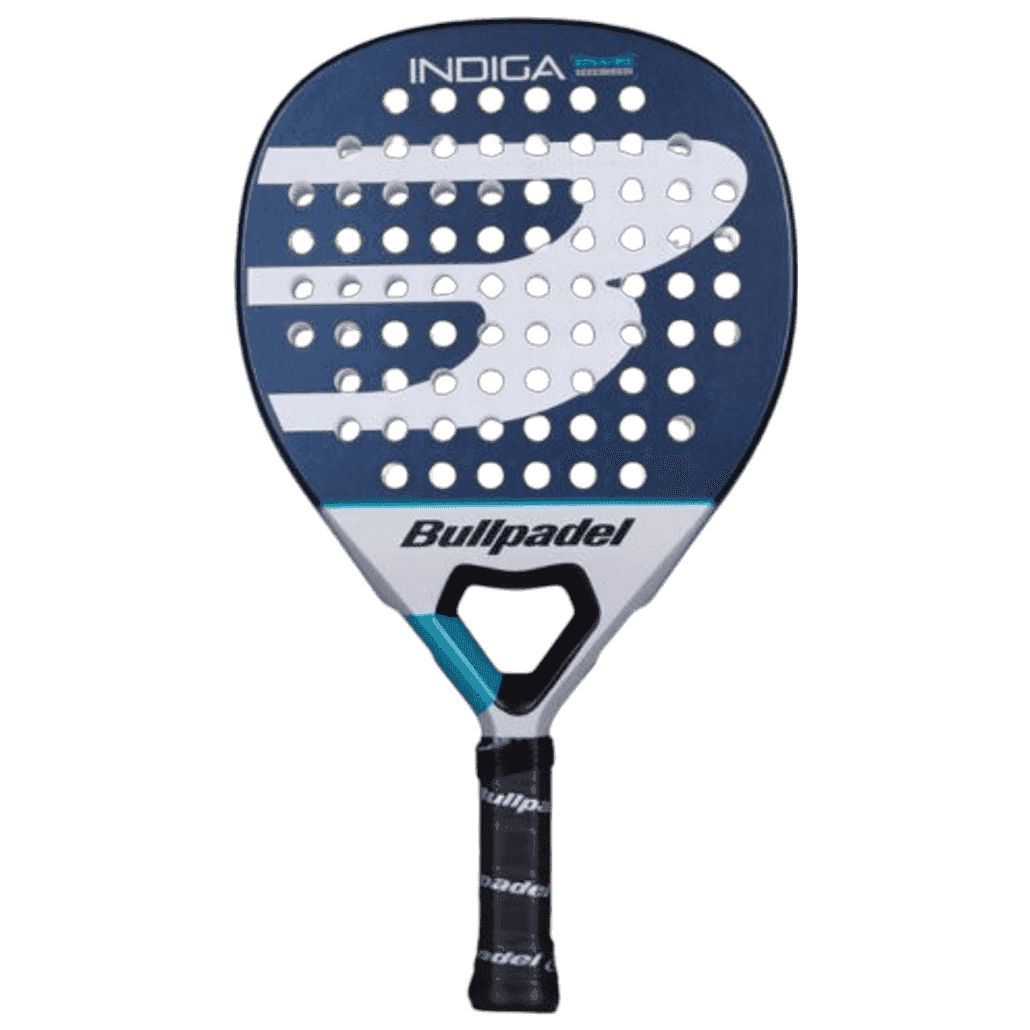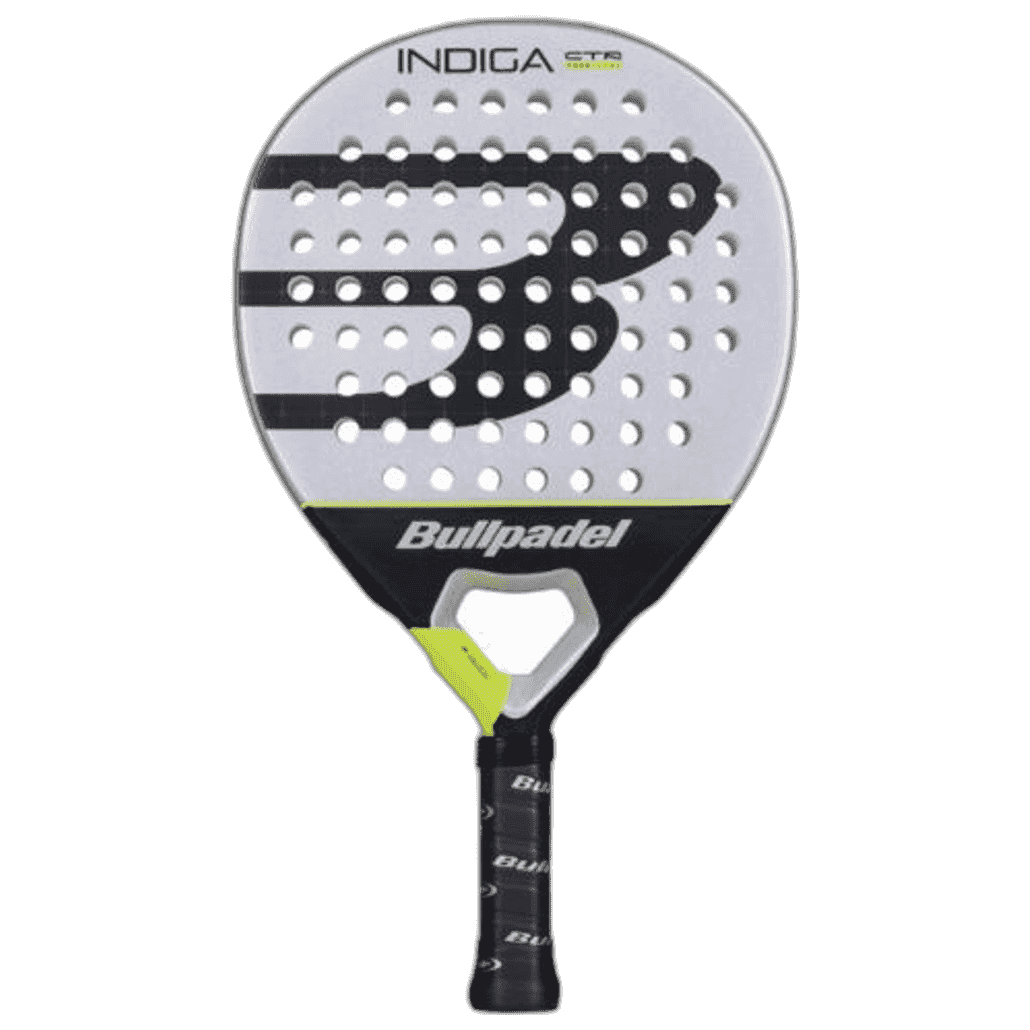
Bullpadel Indiga CTR 2026
A round, easygoing control racket with lively ball exit and a soft touch that keeps the point tidy from the baseline.
Our Take
Shape
Round
Weight
360 - 370 gr
Touch
Medium-Soft
Core
SoftEVA
Faces
Polyglass
Frame
Polyglass
What we like
- Friendly response off-face
- Big, forgiving sweet spot
- Clean *bandeja* and *víbora*
What we don't
- Limited smash power
- Less sharp carbon feedback
- Short on passive contact








Updated on 17 Jul (shipping cost not calculated)
Are you a store owner? Join our platform to be featured here.
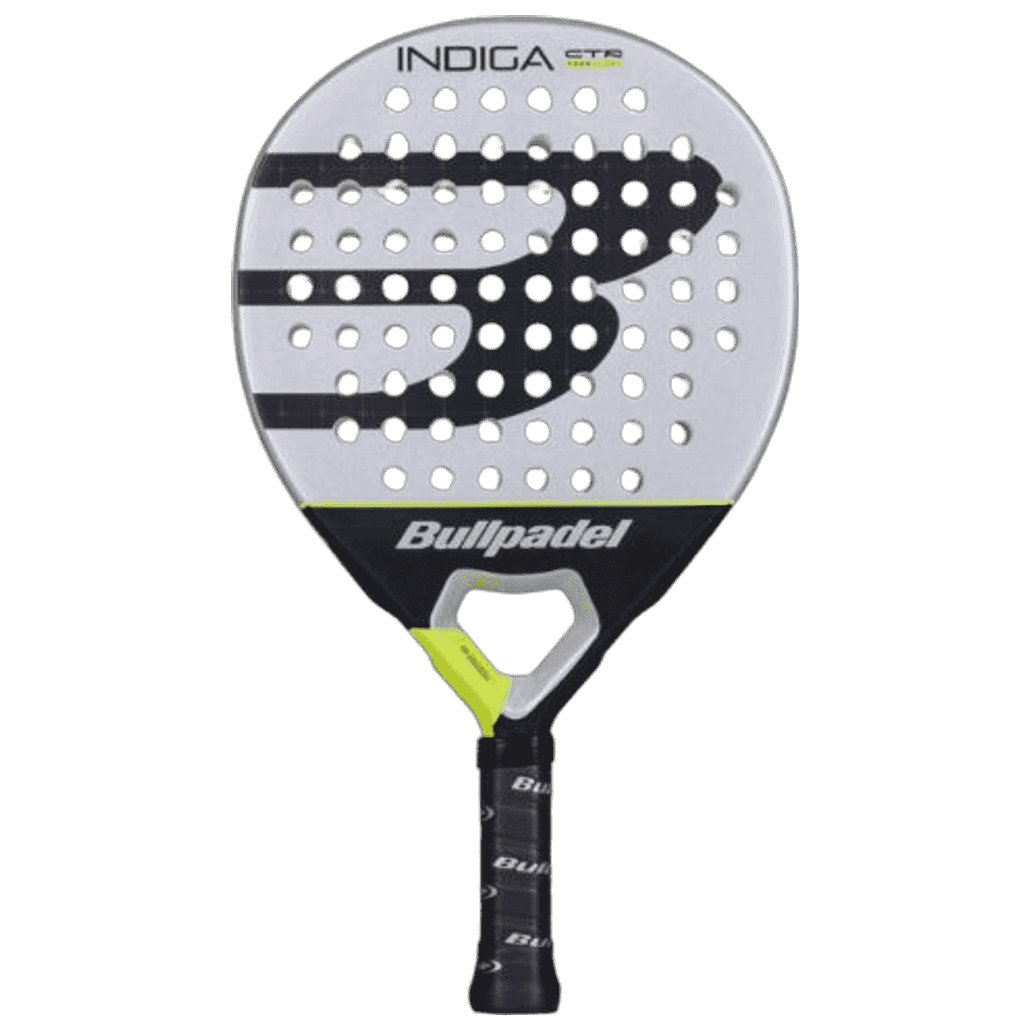
Bullpadel Indiga CTR 2026 is a control-first racket with a very friendly response off the face. It feels easy to live with from day one, but it still has enough bite to keep the point under control instead of just floating the ball back.
What I notice most is the balance between comfort and order. It doesn’t pretend to be a brute in attack, and that’s fine. Its job is to make blocks, lobs, and controlled construction feel natural, with a ball exit that helps more than it demands.
Technical analysis
Shape & balance
The round shape gives it a clear identity: big sweet spot, calm handling, and a lot of forgiveness on off-center contact. In practice, that means fewer awkward replies when I’m stretched at the baseline or late on a defensive block. The balance sits on the manageable side too, so the racket never feels like it’s dragging the arm around.
That setup does come with a trade-off. I don’t get the same finishing help I’d expect from a head-heavy frame. If you want a racket that loads up smash power on its own, this one won’t do that. It asks for placement and timing instead of raw punch.
Materials & construction
Bullpadel uses Polyglass for the frame and faces, with SoftEVA in the core. That combination explains the racket’s Medium-Soft feel pretty well. The touch is comfortable, but not mushy. I get a clear response on contact, and the ball comes off the faces with enough speed that I don’t have to overwork every shot.
The construction also keeps vibrations in check better than I expected for this price range. It’s not a premium carbon-feel racket, and you can tell that. The feedback is a little less crisp than what I’d get from a stiffer carbon model, and the ball doesn’t bite as sharply on aggressive volleys or overheads. But for the target player, that softer construction makes the racket easier to trust over a long session.
On-court feel
Baseline play
From the back of the court, this racket feels predictable in a good way. Defensive lobs leave the face cleanly, and low, controlled resets don’t feel like a fight. The sweet spot is generous enough that I can focus on placement instead of surviving contact.
What it doesn’t give me is extra depth for free. If I’m late or passive, the ball can die a little short. So I still need to swing with intent, especially when I want to push opponents behind the service line. The good news is that the racket rewards clean technique with very tidy ball exit.
At the net
Up at the net, the Indiga CTR is more about control than disruption. Volleys come out stable and easy to aim, which helps a lot in fast exchanges and chiquita responses. It’s one of those rackets that makes small adjustments feel simple, so I can keep the rally organized without forcing the issue.
Where I miss something is explosive finishing. It doesn’t punch through the court in the way an attack-oriented racket does, so winners have to be built rather than hoped for. That said, the response is consistent, and that counts for a lot in tight net battles.
Bandeja and víbora
This is where the racket feels most at home. The soft-but-not-lifeless core makes the bandeja easy to shape, and the face response helps me keep the ball deep without overhitting. I also like it for controlled víbora work, where placement matters more than sheer pace.
It’s not the most aggressive overhead racket I’ve played. If I try to rip every ball, it reminds me that it prefers order over chaos. But for players who build points from the top of the court rather than end them with one swing, it behaves very neatly.
Conclusion
I’d point this toward intermediate players who value comfort, a generous sweet spot, and a racket that helps them stay steady under pressure. It’s especially good if your game is built on defense, placement, and controlled net play.
The trade-off is obvious: less help in pure attacking situations. Smashes don’t come free, and it won’t give you that harsh, explosive feel some advanced players chase. What it does give is reliability, easy handling, and a very manageable response that makes weekly padel feel less demanding.
Switch Intelligence
Be the first to share where you switched from.
Community reviews
Real feedback from players who used this racket.
Add your review
To submit your review, log in first. You can still read all approved community reviews below.
Add review