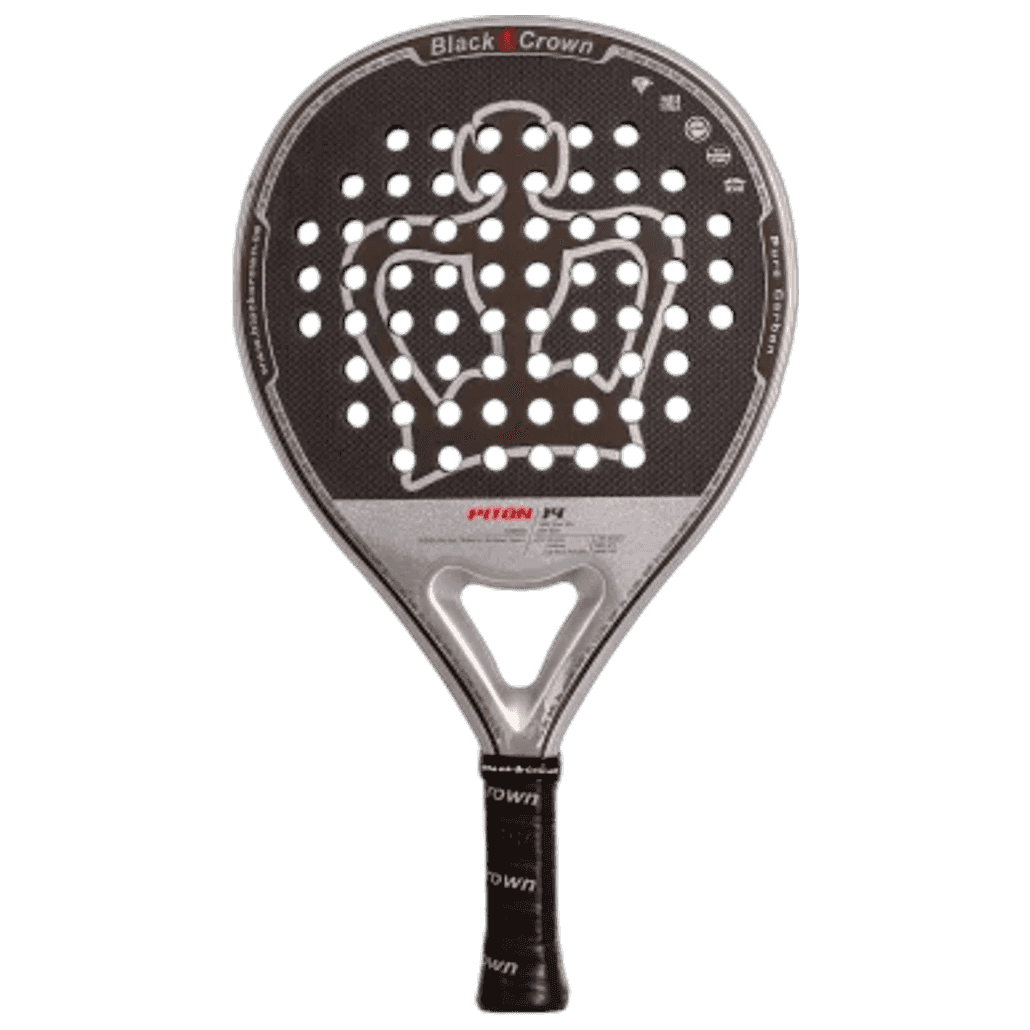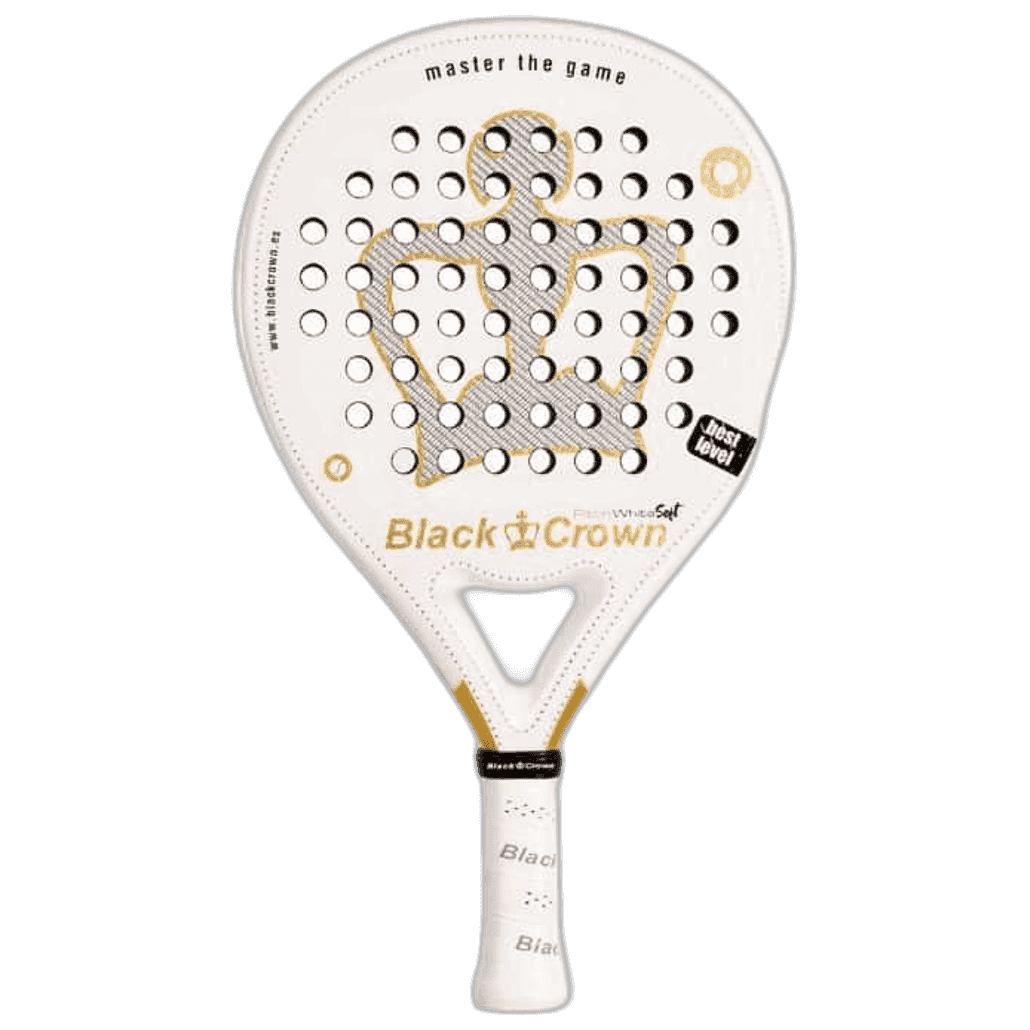
Black Crown Piton White Soft 2026
A round control racket with a soft, forgiving feel, quick handling, and enough bite to keep pressure without forcing the point.
Our Take
Shape
Round
Weight
355 - 370 gr
Touch
Medium-Soft
Core
3XPlay EVA
Faces
3K Aluminum
Frame
Carbon fiber
What we like
- Large, usable sweet spot
- Strong rebound on controlled shots
- Reliable *bandeja* and *víbora*
What we don't
- Limited easy smash power
- Needs clean timing on defense
- Little heavy punch at net
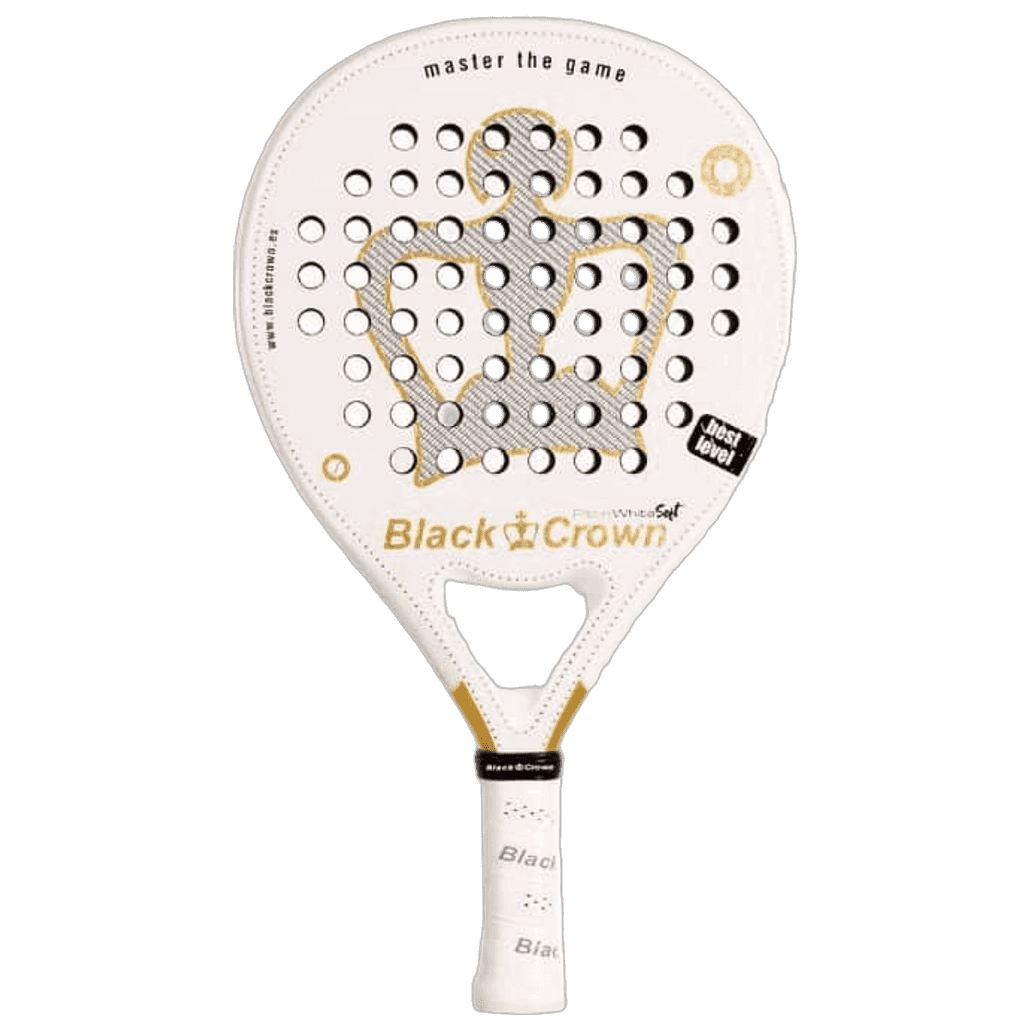
Black Crown Piton White Soft 2026 is a control-first racket with a soft edge to it. I’d call it composed rather than explosive. It wants clean timing, gives you a lot back in return, and doesn’t try to bully the point.
The identity is pretty clear: round shape, medium-soft feel, and a setup that leans toward comfort and response instead of raw aggression. In my hands, it behaves like a racket for players who live on placement, pressure, and counterpunching, not for anyone chasing easy free power.
It has that Black Crown Piton DNA, but with a friendlier, more elastic response than the harder versions. That matters. It’s not a dead racket. Far from it. But it also won’t hide poor technique or turn defensive swings into winners for you.
Technical analysis
Shape & balance
The round format gives it a very usable sweet spot and keeps the balance under control. That shows up immediately in the first few minutes. The racket feels stable without becoming sluggish, and I think that’s the main reason it works so well from the baseline and in quick exchanges.
It’s not a head-heavy frame that loads up on easy smash power. Instead, it stays organized on blocks, defensive lobs, and reset shots. That makes it easier to trust when you’re stretched wide or reacting late, but it also means you need to generate your own pace in attack.
Materials & construction
The fiberglass frame and 3K Aluminium faces give it a response that’s firm enough to stay accurate, but not harsh. Then the 3XPlay EVA core brings the softer side: better ball exit, a more comfortable hit, and a little extra forgiveness when contact isn’t perfect.
That mix explains the racket’s character better than any marketing line. It feels lively off the face, but not springy in a wild way. I noticed that the rebound is one of its strongest points, especially on controlled shots where you want the ball to come off cleanly without having to force the swing. The trade-off is obvious: if you want a really punchy, weighty smash weapon, this is not that racket.
On-court feel
Baseline play
From the baseline, it’s very easy to trust. Defensive lobs come off the faces with good length, and I like how the racket helps when I’m under pressure and just need to reset the point. Blocks also feel predictable, which matters more than people admit in weekly play.
The downside is that it doesn’t create a lot of free depth on lazy swings. If your technique gets sloppy, the ball can sit up a bit short. So yes, the rebound is excellent, but it rewards a player who stays active with the hands and keeps the contact clean.
At the net
At the net, the racket feels quick enough to handle fast exchanges and sharp enough for controlled volleys. It doesn’t drag, and that makes it easy to hold the line and redirect pace. For me, that’s where the medium-soft response starts to make sense: you can soften the ball, then turn the wrist and change direction without the frame fighting you.
What it doesn’t do is blast through the court with heavy punch. If you like to overwhelm opponents with sheer weight in your volleys, you’ll probably want something stiffer and more aggressive.
Bandeja and víbora
These are probably its best attacking shots. The racket gives me good bite on the ball and enough elasticity to keep the stroke comfortable over a long match. I found it especially reliable on the bandeja, where placement and repeatability matter more than brute force.
The víbora works well too, though it’s more about control and shape than vicious snap. You can make the ball dip and move, but the racket won’t add extra violence on its own. It asks for proper arm speed and clean technique. Give it that, and it answers.
Conclusion
I’d point this racket toward intermediate and advanced players who want a controlled, comfortable frame with a generous rebound and a very manageable feel. If your game is built around defense, transitions, and precise net work, it makes a lot of sense.
What you give up is obvious: top-end power, especially on the smash, and that heavy finishing sensation some players want from an offensive racket. It’s more about placing the ball than imposing it.
For me, that’s exactly its strength. It knows what it is, and it sticks to it.
Switch Intelligence
Be the first to share where you switched from.
Community reviews
Real feedback from players who used this racket.
Add your review
To submit your review, log in first. You can still read all approved community reviews below.
Add review