

Babolat Viper Soft 3.0 2026 Juan Lebron
A softer Viper that keeps the bite, adding easier ball output and calmer contact without losing its offensive edge.
Our Take
The Court
5 reviewsShape
Diamond
Weight
365 gr
Touch
Medium
Core
Black EVA
Faces
Soft Carbon
Frame
Carbon fiber
What we like
- More free ball exit
- Stable controlled volleys
- Repeatable *bandeja* power
What we don't
- Still head-heavy and demanding
- Late net reactions get punished
- Not arm-friendly comfort



Updated on 15 Oct (shipping cost not calculated)






Updated on 22 Feb (shipping cost not calculated)
Are you a store owner? Join our platform to be featured here.
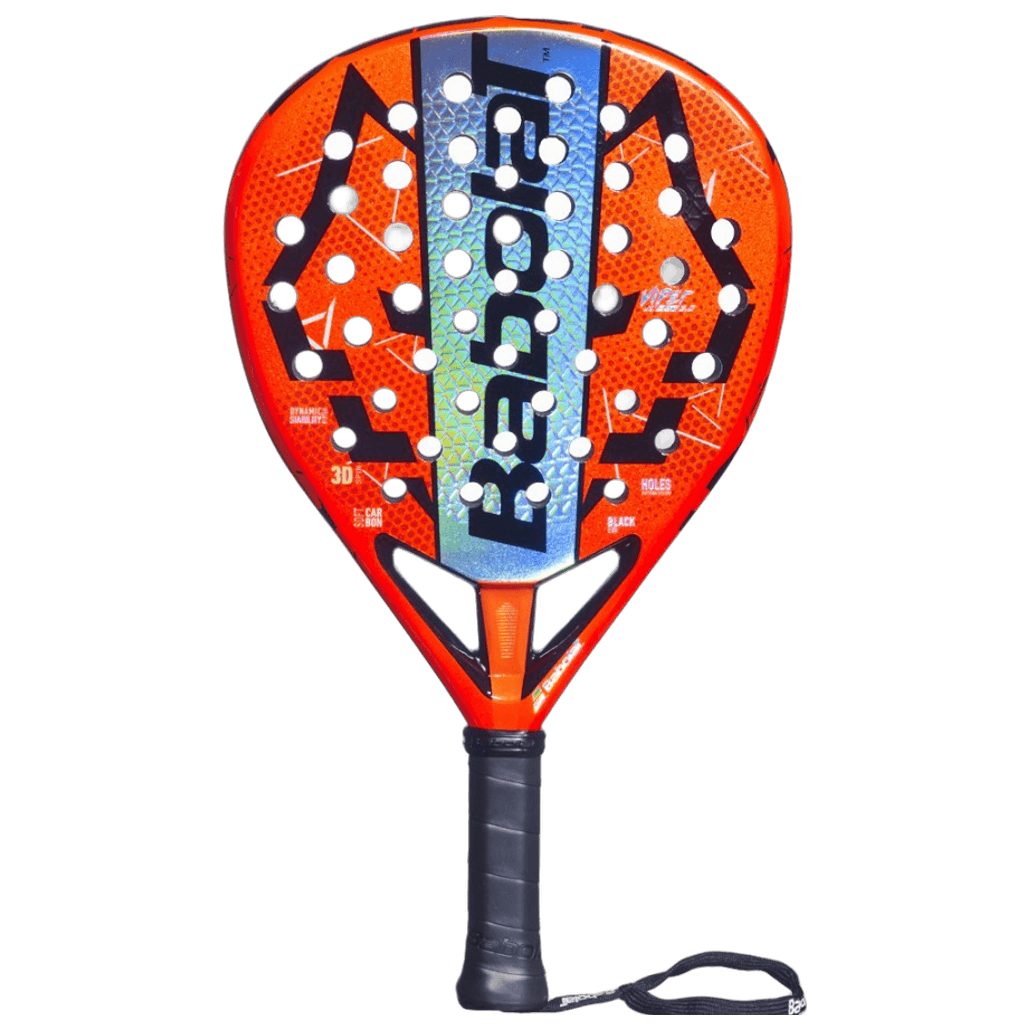
Babolat Viper Soft 3.0 2026 Juan Lebron keeps the Viper family’s attacking DNA, but it softens the bite just enough to feel less brutal than the hard version. I read it as a demanding diamond racket for players who want real offensive output without that completely dry, unforgiving contact.
The key change is that it gives a bit more free ball exit and a slightly calmer response in long rallies. It is still head-heavy and still asks for timing, but I found it easier to live with on defensive contacts, controlled volleys, and overheads than the standard Viper.
Technical analysis
Shape & balance
The Diamond shape and head-heavy balance tell you immediately where this racket wants to live: above shoulder height, in the finish, not in casual steering. It loads the upper part of the frame, so once you accelerate the swing, there is plenty of weight behind the ball.
That said, this is not a lazy power racket. You still need to get it into position early. Late preparation shows up fast, especially at the net. Compared with the harder Viper, though, I find it a little less punishing when contact is not perfect.
Materials & construction
The Fiberglass frame, Soft Carbon faces, and Black EVA core create a medium feel that sits in a useful middle lane. It is not plush, and it is not brick-hard either. That middle point is what gives this version more ball output without turning it into a loose, uncontrolled racket.
The face responds well on compact swings and keeps a decent amount of stability on blocks. I also notice less of that abrupt, almost metallic snap some very stiff power rackets have. The trade-off is simple: you get a bit more forgiveness, but you lose a little of the raw explosiveness that the hardest attacking rackets can offer.
On-court feel
Baseline play
From the baseline, this racket is more manageable than I expected from a Viper. Defensive lobs come off with enough depth without needing a huge swing, and it helps when you are under pressure and just want to reset the point.
It is still not an easy defensive racket. If you are late, the head weight makes itself known. But compared with the harder version, the response is less abrupt, so longer exchanges feel a bit less punishing.
At the net
This is where the racket starts to make sense. Volleys come out stable and fairly heavy, with a good sense of direction on compact contact. I like it most on controlled pressure volleys, where you want to keep the point tight without forcing the shot.
It is also more tolerant than the standard Viper when the contact is slightly off-center, though “tolerant” is relative. A rushed reaction at the net still gets exposed. The racket helps, but it does not rescue bad footwork.
Bandeja and víbora
On the overhead side, it gives repeatable power with less need for full-throttle acceleration. That matters on the bandeja and víbora, where I want the racket to help me keep the ball heavy without having to overhit.
I would not call it effortless. The head-heavy feel is always present, and you have to commit to the shot. But once the timing is there, it delivers a controlled, solid trajectory rather than a wild, overcooked strike.
Conclusion
I see this as a good fit for players who already attack well and want a Viper that feels a little more usable in defense and on imperfect contact. It still has the same aggressive shape and the same demanding character, just with a softer edge.
What you give up is some of the brutal explosiveness and some comfort. It is not arm-friendly, and it does not completely forgive late hands. If you want easy-going play, this is the wrong racket. If you want serious power with a bit more room for error than the hardest Viper, it makes a lot more sense.
What other reviewers say
- padelracket.reviewen
Reviewers say this version tones down the rigidity of the standard Viper and gives more easy power, especially on defense, controlled volleys, and topspin overheads. It is still demanding and head-heavy, but it is less punishing on timing and contact mistakes.
Switch Intelligence
Be the first to share where you switched from.
Community reviews
Real feedback from players who used this racket.
5 reviews

Shape not best for control annd not great in fast smashes and kicksmashes


Add your review
To submit your review, log in first. You can still read all approved community reviews below.
Add review


